Should you need urgent health advice please contact your GP or call NHS 111. In an emergency please visit A&E or call 999
Bradford District Care NHS Foundation Trust is responsible for the writing, publishing and updating of the content on this page.
You don’t expect danger when you step into water. A reservoir. A river. The sea on a warm day. It looks calm. Harmless.
But cold water doesn’t care how confident you are and it doesn’t give you time to react. Cold water shock can take control of your body in seconds.
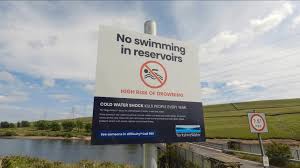
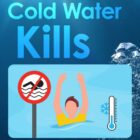
Cold water shock is your body’s automatic reaction when you suddenly enter cold water (usually below 15°C). It’s a powerful physical response that you cannot control, even if you’re a strong swimmer. Your body reacts instantly and violently.
The moment you hit cold water:
The first minute is critical. In those first 60 seconds, you may struggle to keep your airway above water. If your head goes under during that first gasp, you can inhale water.
That’s how quickly it becomes life-threatening. It takes away your ability to control your breathing and think clearly. Even experienced swimmers can panic, gasp, and lose control.
Most people imagine icy water in winter, but the risk is all year round. Rivers and lakes stay cold even on hot days and the UK sea is often cold even in summer. Sudden immersion (such as jumping or diving) can make it feel worse. That “refreshing jump” can trigger an immediate shock response.
Cold water shock isn’t just physical, it’s psychological too. You may feel:
Panic makes everything worse:
For further information, look at RLSS (Royal Life Saving Society)- Cold Water Shock – the Facts or the RLNI (Royal National Lifeboat Institution) video- How to survive cold water shock