Should you need urgent health advice please contact your GP or call NHS 111. In an emergency please visit A&E or call 999
Bradford District Care NHS Foundation Trust is responsible for the writing, publishing and updating of the content on this page.
You may have seen information about ultra processed foods and want to know a little more about what this means. We can help separate the facts from fiction for you.
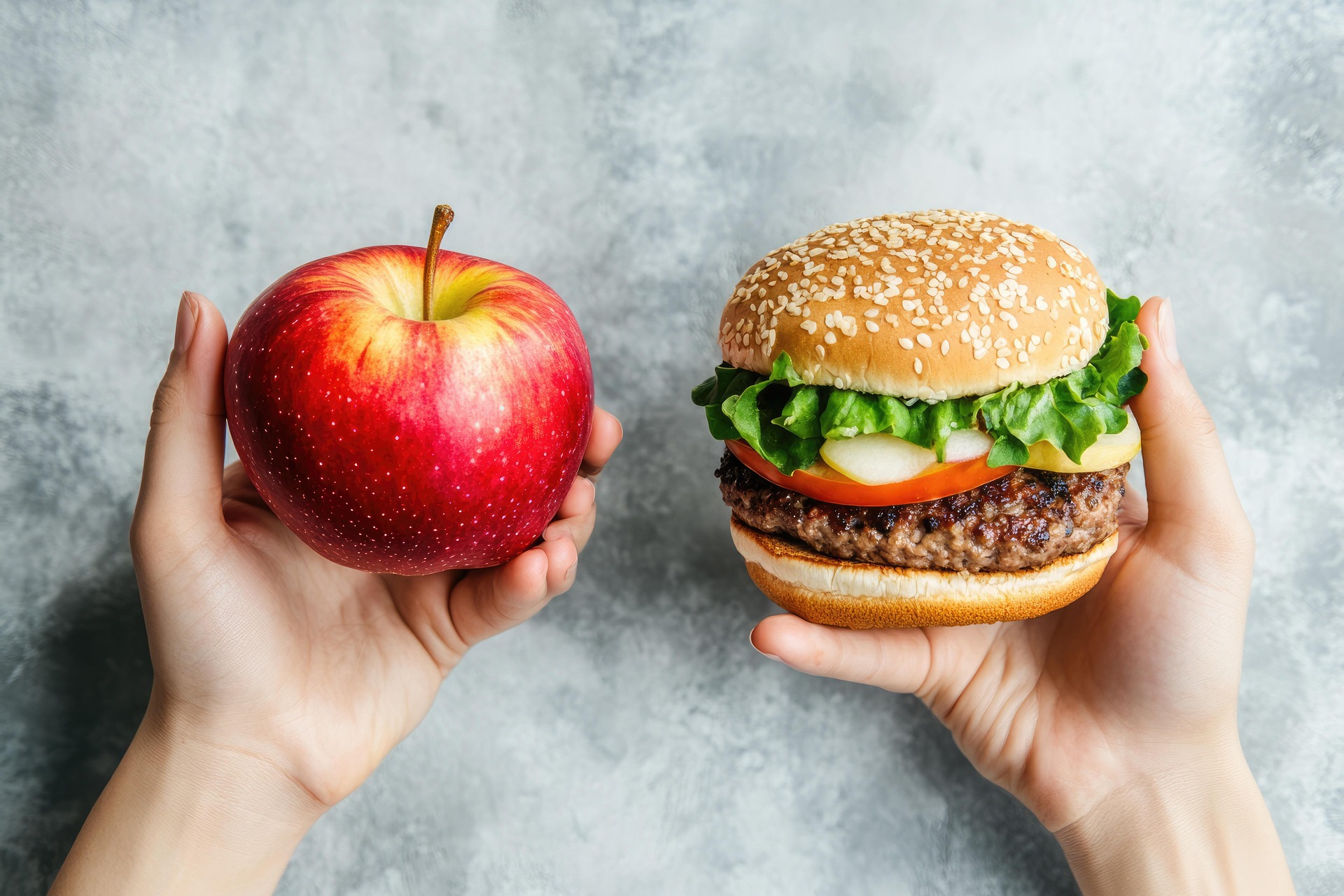
There isn’t one official definition of an ultra-processed food (UPF), but the term is generally used to describe foods that have been heavily processed or changed from their original form. This is often done to improve things like taste, texture, convenience, or how long the food lasts on the shelf.
The difference mainly comes down to how much the original food has been changed. Processed foods have been altered in some way, such as being frozen, canned, or pasteurised. These processes can help keep food safe, make it last longer, or make it easier to prepare. Some processed foods may also include added ingredients like salt, sugar, or flavourings.
Ultra-processed foods, on the other hand, are usually more heavily changed. They often contain multiple added ingredients, including things you wouldn’t typically use at home, to improve taste, texture, or shelf life.
Not all processed foods are unhealthy, and many can still be nutritious and part of a balanced diet. It’s about making a mix of choices rather than avoiding foods completely. Some everyday processed foods that can be good options include:
These foods can make eating well easier, especially when you’re busy with school, college, or social life. The key is balance- trying to include a variety of foods like fruits, vegetables, proteins, and wholegrains alongside more processed options.
Potato → Ultra-processed food
You can get more information via these links: